Kerley Reconstruction reconstructs crime scenes, with a focus on shooting incidents and arson fires. Using 3D laser scanning, photogrammetry, drone mapping, and a disciplined review of the physical evidence, we rebuild the scene as it existed and test every account of what happened against it. The result is an objective, evidence-based sequence of events: where people and vehicles were, what each could see, and how the incident unfolded. Our findings give attorneys, insurers, and investigators a clear, defensible reconstruction built to hold up under opposing expert review. Trust Kerley Reconstruction to let the evidence tell the story.
What we examine
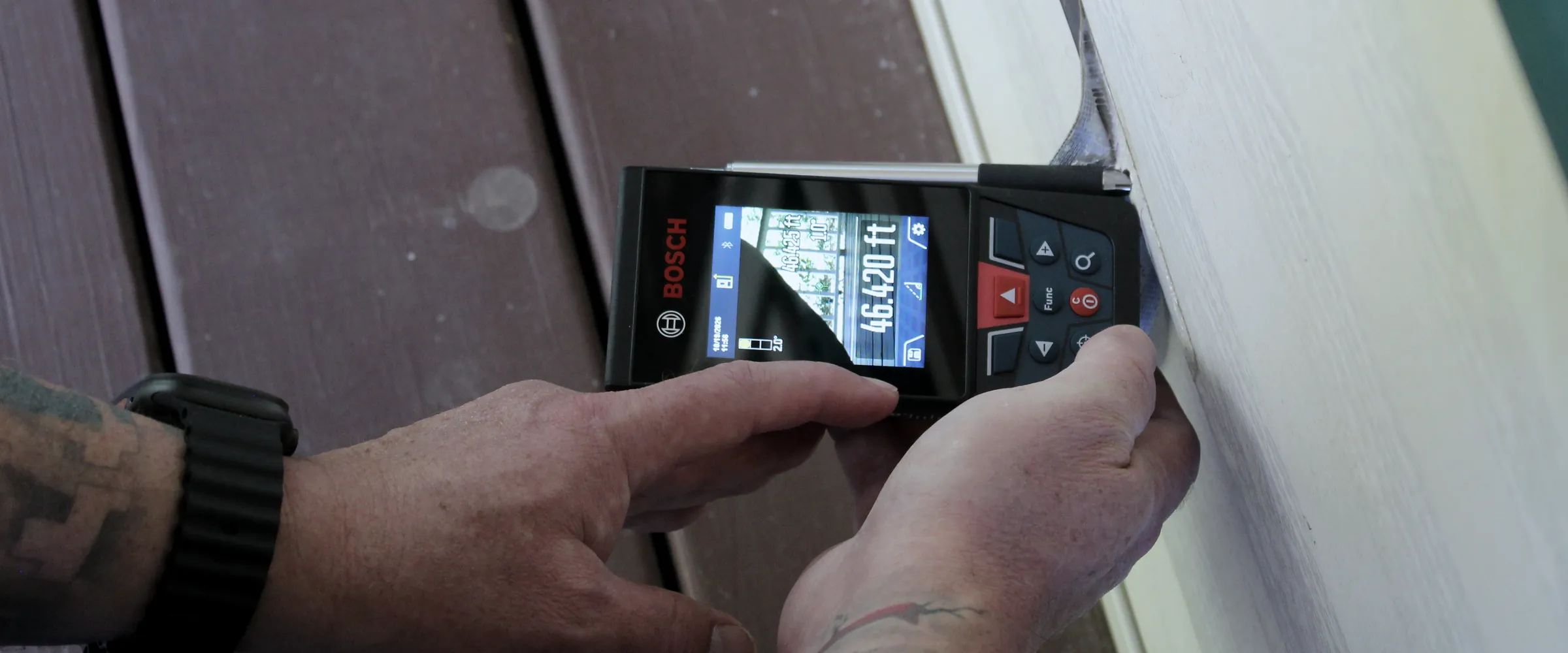
- 3D laser scanning and forensic scene mapping
- Bullet trajectory and shooting scene analysis
- Bloodstain pattern analysis
- Positions, distances, sightlines, and lighting
- Video, photographic, and digital evidence review
- Fire and arson scene documentation
- Timeline and witness statement comparison
Reconstruction Grounded in Physical Evidence
Crime scene reconstruction answers a narrow but critical set of questions: what happened, in what order, and where everyone was when it did. The answers have to come from the evidence, not from the version of events any one party prefers.
Our process follows the scientific method. We document the scene and the evidence, analyze each item for what it can and cannot show, form hypotheses about how the event unfolded, and test those hypotheses against the physical record, the video, and the statements of those involved. Explanations that do not fit the evidence are eliminated, and the reconstruction that remains is reported with its limitations stated plainly. Whether we are retained by the defense or the prosecution, the method and the standard are the same.
Shooting Incident Reconstruction
Shooting cases frequently turn on positions and perspective: where the shooter stood, where the other people were, what each person could see, and how much time anyone had to react. We document bullet defects in vehicles, walls, and other surfaces, along with impact marks and cartridge case locations, and use trajectory analysis to establish the path each projectile traveled. Each path is placed precisely within a three-dimensional model of the scene, which lets us evaluate distances, angles, sightlines, and lighting conditions from any position, including the specific vantage points described by witnesses and the people involved.
Where bloodstains are present, bloodstain pattern analysis adds another layer of physical evidence. The size, shape, and distribution of stains can help establish where people were positioned, how they moved, and the sequence of events after the first shot was fired. We test those findings against the trajectory evidence and the accounts of those involved, so every conclusion is supported by more than one line of evidence.
Many shootings involve vehicles, and that is where our background in collision reconstruction adds unusual depth. Vehicle positions and movement, speed, the sequence of shots relative to a vehicle's travel, and the damage a vehicle carries are the same kinds of evidence our team analyzes every day. We work alongside crime laboratories and firearms examiners, and integrate their findings into a single, coherent reconstruction of the event.
Arson and Fire Scene Reconstruction
Fire destroys evidence, and cleanup, demolition, and restoration destroy what the fire leaves behind. Our team documents fire scenes, structures, and vehicles quickly and thoroughly, through photographs, measurements, and 3D scanning, so the scene can be studied accurately long after it has been released.
For suspected arson and contested fire losses, we work with attorneys, insurers, and origin-and-cause investigators to establish a timeline from the available video, alarm and suppression system activity, electronic data, and witness accounts, and to test each explanation of how the fire started and spread against that timeline. Where a commercial kitchen hood or suppression system is involved, our fire suppression specialists evaluate how the system performed.
Video, Digital Evidence, and Courtroom Presentation
Surveillance, dash camera, body-worn camera, and cell phone video now capture part of most incidents. We examine and enhance recorded video, synchronize multiple sources to a single timeline, and use photogrammetry to extract measurements, positions, and speeds directly from the footage. Digital evidence from phones and other devices can place people and events in time when no camera was recording.
Every reconstruction is built to be understood. We translate complex scene data into clear diagrams, 3D models, and exhibits that let a judge or jury see the scene from the perspective that matters, supported by written reports that explain our methods, findings, and conclusions.